What to Expect at Your Acupuncture Visit
Your First Visit: Comprehensive & Personalized (60–90 minutes)
Your first appointment is designed to understand the full picture—not just the symptom. We’ll review your main concern, overall health, and the factors that may be affecting your recovery.
1) Check-in & paperwork (5–10 minutes)
Health history, medications/supplements, allergies
Past injuries/surgeries, imaging (if you have it)
Sleep, stress, digestion, energy patterns
Your goals and what “success” looks like for you
2) Detailed consultation (15–25 minutes)
We’ll ask about:
Where the problem is located and how it feels (sharp, dull, burning, tight)
What triggers it (sitting, standing, lifting, stress, diet, sleep)
What improves it (heat, rest, stretching, medications)
Frequency, severity, and how long it has been present
Any “red flag” symptoms that may require referral or co-management
3) Assessment (10–20 minutes)
Depending on your concern, we may include:
Posture and gait observation
Range of motion testing (neck, shoulder, back, hip, knee, etc.)
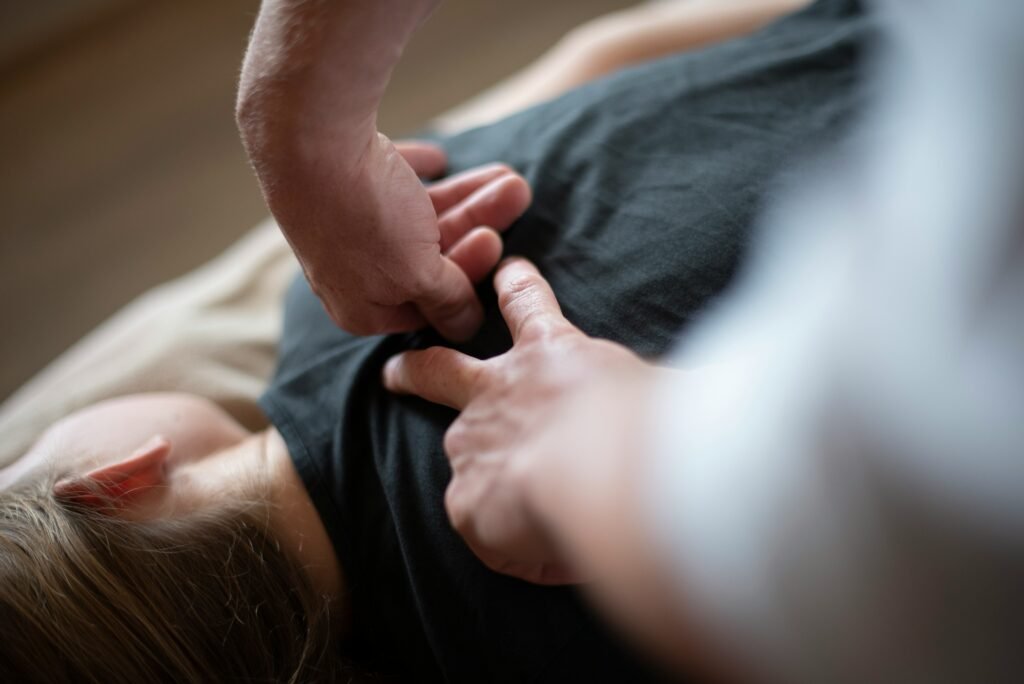
Palpation of tight bands, trigger points, or tender areas
Orthopedic tests when appropriate
TCM-style evaluation (tongue, pulse, pattern identification)
4) Your treatment plan explained (5 minutes)
Before we begin treatment, we’ll briefly review:
What we believe is contributing to your symptoms
What we plan to address today
Recommended visit frequency and expected timeline
Other supportive therapies we may recommend (cupping, gua sha, moxa, stretching, posture tips)
5) Acupuncture treatment (20–35 minutes)
You’ll lie comfortably on a treatment table
Needles are sterile, single-use, very thin
Most people feel minimal discomfort; common sensations include:
a quick pinch or pressure
warmth, heaviness, tingling, or dull ache (“De Qi”)
deep relaxation
Once needles are placed, you rest quietly; many patients nap
6) After-care & next steps (5 minutes)
We’ll review:
What to do the rest of the day
What changes are normal (and what isn’t)
When to return and how we’ll measure progress
Follow-Up Visits (45–60 minutes)
Follow-ups are more focused and efficient.
Typical flow:
Quick progress check: What improved? What still bothers you?
Short reassessment if needed (ROM, tenderness, trigger points)
Treatment (acupuncture ± adjunct therapies)
Updated plan based on response
What It Feels Like (Realistic Expectations)
Acupuncture is often described as gentle and relaxing, not painful.
Common feelings during treatment:
relaxed, sleepy, calm
light tingling or heaviness at a point
warmth or subtle pulsing sensation
Common feelings after treatment:
reduced tightness and easier movement
mild soreness like post-workout (usually short-lived)
improved sleep that night
temporary fatigue (your nervous system “downshifts”)
If you ever feel dizzy, unusually weak, or unwell after treatment, let us know right away.
How Many Sessions Will I Need?
It depends on how long you’ve had the issue, severity, and how your body responds.
General guideline:
Acute problems (recent injury): often improve faster
Chronic issues (months/years): may require a consistent plan
Many people start with 1–2 visits per week for 2–4 weeks, then reduce frequency as symptoms stabilize. We’ll reassess your progress and adjust the plan.
What to Wear / How to Prepare
Wear loose, comfortable clothing (or bring shorts if treating knees/hips)
Eat a light meal 1–2 hours before (don’t come fasting)
Hydrate well
Avoid heavy exercise right before your first session if possible
Bring:
medication/supplement list
MRI/X-ray reports if you have them
any relevant lab results
After-Care Tips (First 24 Hours)
To get the most benefit:
Drink water
Keep warm (especially neck/low back)
Avoid heavy lifting or intense workouts if you’re sore
Gentle walking/stretching is usually helpful
Try to prioritize sleep the night after treatment
Safety & When We Refer
Your safety comes first. If your symptoms suggest you need urgent evaluation (for example: chest pain, sudden weakness/numbness, loss of bowel/bladder control, high fever, severe unexplained symptoms), we will refer you to the appropriate level of care.